


Introduction
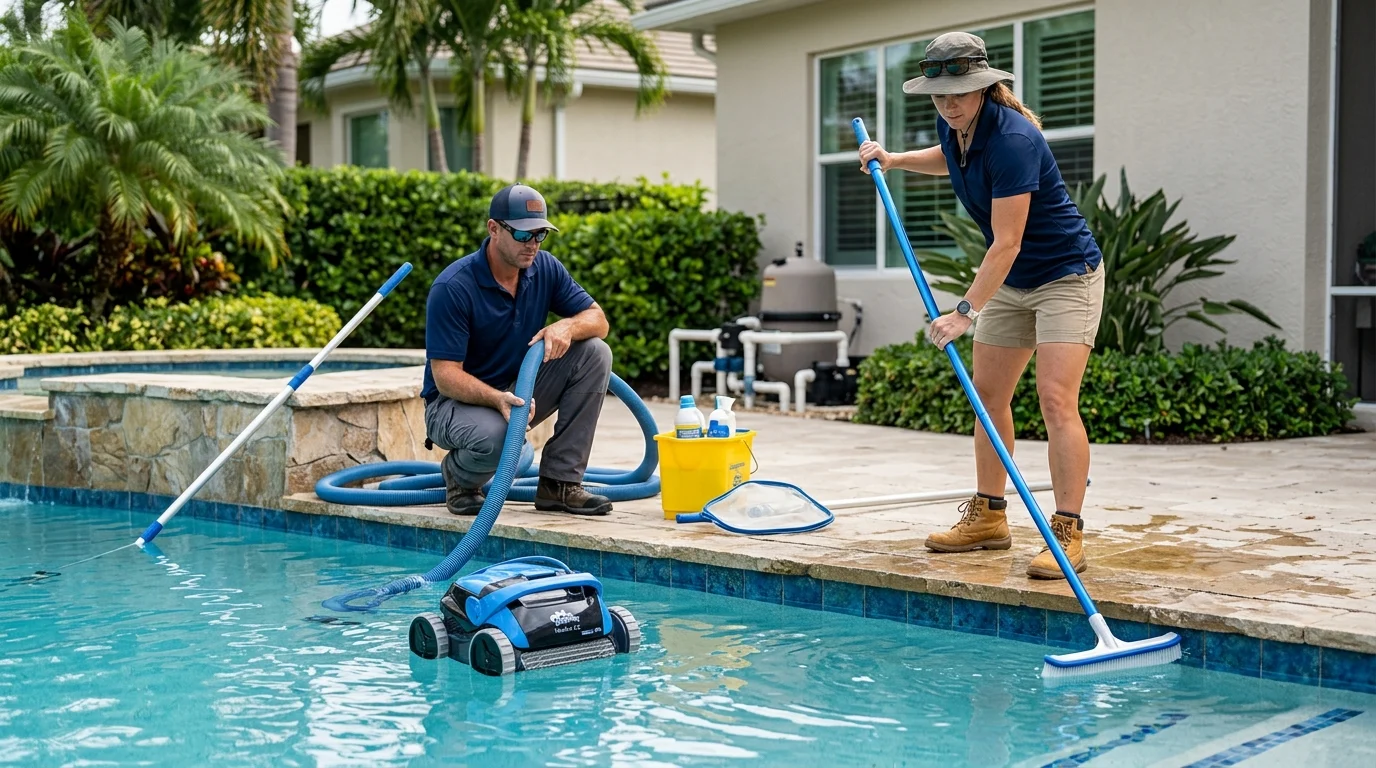
For commercial pool operators, a handheld vacuum is only cost-effective when it reduces cleaning time, withstands frequent use, and avoids recurring repair or replacement costs. Hotels, fitness centers, apartment complexes, and service crews often need compact cleaners for steps, corners, spas, and quick debris removal between scheduled maintenance. This makes purchase price just one part of the decision. Motor durability, battery performance, filtration capacity, housing materials, and parts availability all influence long-term value. This guide explains how commercial buyers can compare Handheld Pool Vacuums through a practical total-cost lens, identify features that matter in high-use environments, and choose equipment that supports efficient, reliable pool cleaning without unnecessary overspending.
How Commercial Buyers Should Define Value
Commercial pool maintenance requires equipment that transcends basic residential utility, demanding rigorous performance under continuous operational strain. For procurement teams evaluating Handheld Pool Vacuums, defining true value extends far beyond the initial purchase price. It encompasses operational efficiency, labor reduction, and lifecycle longevity in demanding aquatic environments.
Facility managers must adopt a total cost of ownership (TCO) perspective. A unit that appears cost-effective on the capital expenditure ledger may rapidly accumulate maintenance costs if it lacks the structural integrity or motor endurance required for commercial deployment. Understanding the precise engineering distinctions between retail and commercial models is a critical step in strategic procurement.
What Makes a Handheld Pool Cleaner Commercial-Grade
The distinction between consumer and heavy-duty equipment lies primarily in motor architecture and material composition. It is worth noting that dedicated commercial-grade handheld vacuums are relatively uncommon; many facilities actually deploy heavy-duty residential or "prosumer" models. While standard residential models frequently utilize lower-wattage brushed motors, commercial-leaning variants are engineered with higher-wattage brushless direct current (BLDC) motors. This ensures consistent torque even when the filter chamber is nearing maximum capacity.
Furthermore, the structural housings of heavy-duty units are often injected-molded from high-impact ABS polycarbonate blends rather than standard PVC. These materials better resist degradation from prolonged exposure to high chlorine concentrations and extreme ultraviolet (UV) radiation. High-end models also feature superior ingress protection. While many claim strict IP68 waterproof ratings to safeguard internal electronics, buyers should remember that these depth ratings are manufacturer-defined rather than universal and should be verified for the specific intended use.
Where Handheld Cleaners Fit in Pool Maintenance
In a comprehensive aquatic facility maintenance plan, handheld units do not replace automated rovers; rather, they serve a specialized, indispensable function. Large robotic cleaners are highly efficient for expansive basin floors but struggle with complex architectural geometries. Handheld models are deployed specifically for zero-depth entry slopes, submerged staircases, tight corners, and intricate water features.
For localized applications, an agile spa vacuum cleaner is optimal for rapid deployment. Maintenance staff can swiftly extract localized debris from hot tubs and therapy pools without the logistical burden of unspooling hoses or managing external power supplies, thereby maintaining pristine water conditions with minimal disruption to facility guests.
How to Balance Price, Performance, and Durability
Balancing price, performance, and durability requires analyzing the heavy-duty cost band, which typically ranges from $300 to $800 per unit. Procurement officers must weigh this initial capital outlay against projected operational longevity. A cheaper residential unit may fail within months of daily commercial use, necessitating continuous replacement and causing operational downtime.
Conversely, a higher-tier unit engineered for a multi-year lifecycle offers a vastly superior return on investment. The durability of internal components, such as stainless steel impellers and reinforced filter meshes, reduces the frequency of part replacements, ensuring the equipment remains in active service rather than awaiting repair.
Key Specifications That Affect Total Cost
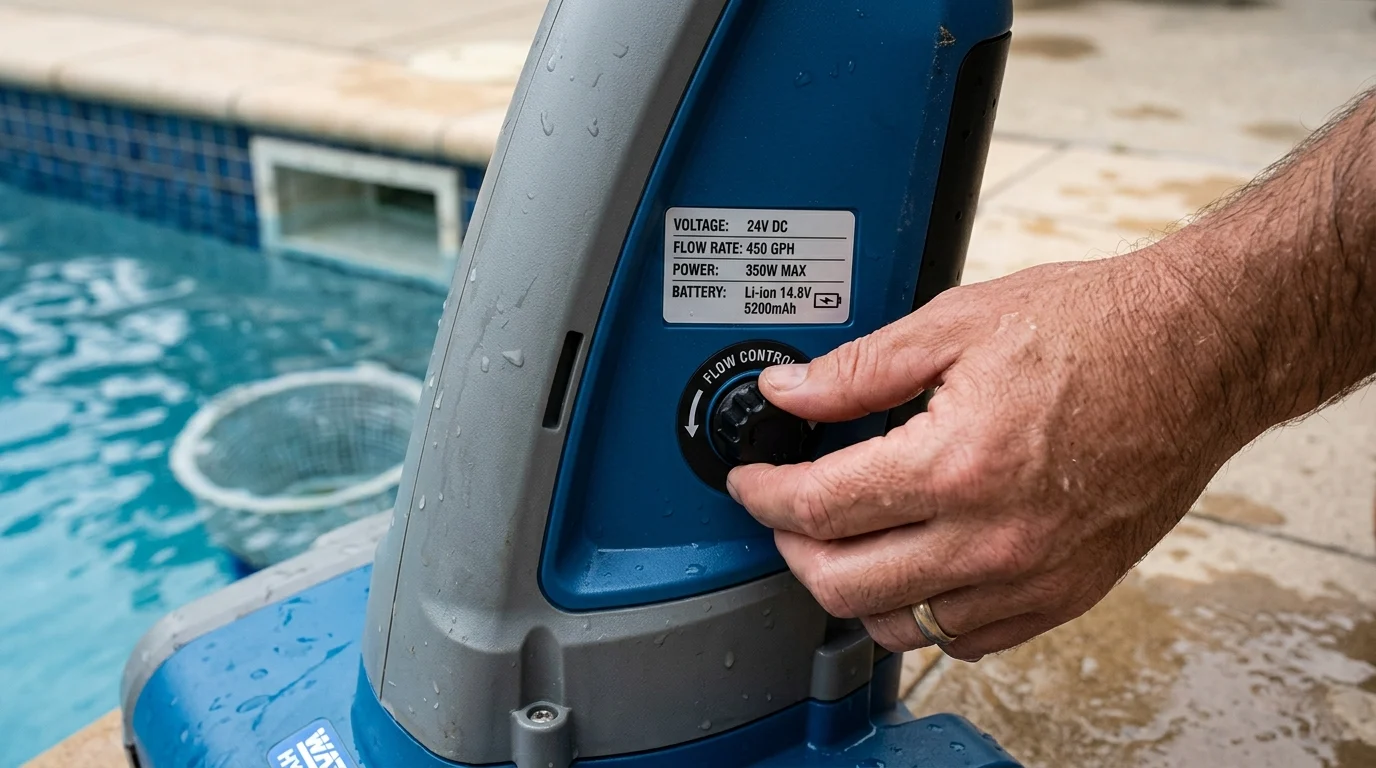
The operational efficacy of any handheld vacuum is dictated by its technical specifications. For commercial buyers, scrutinizing these metrics is critical, as they directly influence both the speed of maintenance tasks and the long-term viability of the equipment. Procurement decisions must be anchored in verifiable data and realistic performance ranges.
Suction Power, Runtime, and Debris Capacity
Suction power, typically measured in gallons per minute (GPM), is a primary indicator of a vacuum's capability. Commercial environments generally benefit from higher flow rates—often advertised in the 20 to 35 GPM range—to effectively lift dense debris like wet leaves and heavy sand. Lower flow rates result in multiple passes over the same area, compounding labor time.
Runtime and debris capacity are equally critical. Heavy-duty units should sustain continuous operation long enough to service multiple pools across a resort complex on a single charge. Coupled with a high-volume debris chamber, these specifications ensure that maintenance personnel are not forced to interrupt cleaning cycles frequently. Equally important is the battery charging time; commercial facilities require knowledge of turnaround intervals between cycles, as a unit with a long runtime but an eight-hour recharge cycle may bottleneck daily operations.
Battery, Motor, and Material Quality
The energy storage system is the lifeblood of cordless units. Commercial-leaning cleaners utilize advanced lithium-ion battery packs that resist the memory effect and offer robust charge cycles. These high-capacity cells are paired with intelligent battery management systems (BMS) that prevent overcharging and thermal runaway.
Motor longevity is another defining specification, with brushless motors generally outlasting brushed alternatives. When combined with chemical-resistant seals and marine-grade stainless steel hardware, these internal components support sustained performance in highly corrosive aquatic environments. Beyond internal components, ergonomics play a crucial role. Because handheld operation imposes physical fatigue on maintenance staff, evaluating unit weight, handle design, and maneuverability is an essential—yet often overlooked—factor for equipment marketed as "handheld."
Comparison Criteria for Commercial Buyers
To facilitate objective procurement, buyers should utilize standardized comparison criteria. Evaluating equipment across tiered performance categories allows facilities to match the specification level to their operational demands. Note: The following ranges are illustrative and vary significantly by manufacturer.
| Specification | Light Commercial / Prosumer | Heavy-Duty Commercial |
|---|---|---|
| Suction Rate | 15 - 20 GPM | 25 - 35+ GPM |
| Battery Capacity | 4,000 - 6,000 mAh | 8,000 - 10,000+ mAh |
| Motor Type | Standard / Brushed | Brushless (BLDC) |
| Debris Chamber | 1.0 - 1.5 Liters | 2.0 - 3.5 Liters |
Operating Conditions That Change Cost-Effectiveness
Technical specifications must be contextualized within the actual operating environment of the facility. The cost-effectiveness of a handheld cleaner fluctuates significantly based on situational variables, including the physical characteristics of the pool and the environmental debris load. Recognizing these variables ensures the selected equipment will perform optimally under specific site conditions.
Pool Size, Debris Load, and Surface Type
The physical dimensions of the pool and the texture of its surface dictate the required suction dynamics. Plaster and concrete surfaces with high friction coefficients demand stronger suction to dislodge embedded algae and dirt, whereas smooth vinyl or fiberglass surfaces require specialized brush heads to prevent scratching while maintaining a vacuum seal.
Debris load heavily influences the choice of filtration media. Facilities surrounded by dense foliage require standard 250-micron filter bags capable of capturing large organic matter without clogging. Conversely, indoor pools or facilities in arid, sandy regions necessitate ultra-fine 50-micron filters to trap silt, pollen, and human-borne particulates that would otherwise pass through standard meshes.
When Handheld Cleaners Beat Robotic Options
While automated robotic cleaners are standard for overnight basin maintenance, they are highly inefficient for rapid, localized interventions. Setting up a robotic unit, connecting power supplies, and waiting for it to reach a specific area can take upwards of 15 minutes. In contrast, handheld pool vacuums can be deployed and actively cleaning in under two minutes.
This rapid deployment makes handheld units superior for immediate hazard removal, such as broken glass on a splash pad or localized dirt accumulation before a high-profile swim meet. The ability to execute precision spot cleaning without closing the entire pool to patrons represents a significant operational advantage for hospitality and municipal managers.
Use Frequency and Labor Savings
The frequency of use directly correlates to the labor savings generated by the equipment. In a commercial setting where spot cleaning is performed daily, reducing the time spent on manual brushing and hose-vacuuming yields substantial operational returns. A high-performance handheld unit can noticeably reduce targeted cleaning times per pool.
Assuming a standard facility maintenance labor rate, saving even 20 minutes daily translates to thousands of dollars in labor savings annually per pool. This metric illustrates how investing in a higher-tier vacuum can offset its initial premium within the first few months through operational efficiency alone.
Sourcing, Compliance, and Service Factors
Beyond the physical attributes of the equipment, commercial buyers must navigate the logistical and regulatory landscape of procurement. Sourcing reliable pool cleaners at scale involves evaluating vendor quality management, verifying safety certifications, and calculating the secondary costs associated with shipping, storage, and long-term maintenance.
Supplier Quality, Warranty, and Support
Vendor vetting is a critical component of institutional procurement. Buyers should prioritize manufacturers operating under recognized quality management systems, ensuring consistent manufacturing tolerances. A reliable commercial supplier should demonstrate a low historical defect rate across their product lines.
Furthermore, the warranty terms offered provide insight into the manufacturer's confidence in their product. Heavy-duty units should carry a comprehensive warranty covering the motor and battery systems. Procurement teams must also verify the availability of domestic support and the guaranteed lead times for replacement parts to mitigate operational downtime.
Battery, Electrical, and Safety Compliance
Because Handheld Pool Vacuums submerge high-capacity electrical storage systems in water, stringent safety compliance is non-negotiable. Equipment must carry certifications from recognized testing laboratories. While standards like UL 1081 apply primarily to permanently installed pool pumps and filters, handheld units should comply with relevant portable appliance and battery safety standards, as well as CE marking for European market compliance.
Battery compliance is equally vital, particularly concerning the UN38.3 certification required for the safe transport of lithium-ion batteries. Additionally, RoHS compliance ensures the device is manufactured without hazardous heavy metals, aligning the procurement with institutional sustainability and environmental, social, and governance (ESG) directives.
Shipping, Storage, and Replacement Costs
Procuring units at a wholesale scale introduces logistical variables. Suppliers typically enforce Minimum Order Quantities (MOQs) for commercial pricing tiers. Buyers must calculate the pallet density and shipping dimensions, as oversized packaging can drastically inflate freight costs, eroding the negotiated unit discount.
Storage protocols also impact the total cost of ownership. High-capacity lithium batteries degrade if stored improperly during off-seasons. Facilities must implement standard operating procedures to store units in climate-controlled environments at a 40% to 50% state of charge, preventing premature cell death and avoiding the costly replacement of battery packs before their engineered lifespan concludes.
How to Choose the Best Commercial Handheld Pool Cleaner
Synthesizing technical specifications, operational variables, and sourcing logistics into a cohesive procurement strategy ensures that facilities acquire the most effective equipment. A structured selection process prevents reactive purchasing and aligns capital expenditure with long-term facility maintenance objectives.
Step-by-Step Selection Process
The selection process must begin with a comprehensive needs assessment, quantifying the total square footage of zero-depth entries, stairs, and spas across the facility. Following this, procurement should issue Requests for Proposals (RFPs) demanding specific data on flow rates, battery chemistry, charging turnaround times, and warranty terms from shortlisted vendors.
Before finalizing a bulk order, facilities should mandate a pilot testing phase. Procuring one or two evaluation units allows the on-site maintenance staff to assess ergonomic factors like submerged weight and handle comfort, actual runtime under local environmental conditions, and the practical ease of emptying the debris chamber. Staff feedback during this phase is invaluable for avoiding costly procurement errors.
Decision Matrix for Matching Cleaner to Use Case
To streamline the evaluation phase, procurement teams can utilize a decision matrix that maps specific facility types to their ideal vacuum configurations. This ensures that the selected unit's filtration and deployment metrics perfectly align with the primary application.
| Facility Type | Primary Application | Recommended Micron Bag | Ideal Setup Time |
|---|---|---|---|
| Resort / Hotel | High-frequency spot cleaning | 50-Micron (Sand/Silt) | < 1 Minute |
| Municipal Pool | Heavy debris / post-storm | 250-Micron (Leaves) | < 2 Minutes |
| Water Park | Splash pads and shallow wading | 100-Micron (Mixed) | < 1 Minute |
Final Buying Criteria for Procurement Teams
The final buying criteria must be rooted in a multi-year Total Cost of Ownership (TCO) analysis. Rather than viewing the purchase as a singular capital expense, buyers should project the costs over a standard commercial lifecycle. This projection must include the initial unit cost, freight, estimated labor savings, and the predictable costs of consumable parts like filter bags and brush heads.
By strictly adhering to these analytical criteria, procurement teams can confidently invest in a handheld cordless pool vacuum solution that delivers maximum reliability. The ultimate goal is to equip maintenance personnel with robust, compliant, and highly efficient tools that elevate the hygiene and safety standards of the aquatic facility while rigorously controlling operational expenditures.
Key Takeaways
- The most important conclusions and rationale for Pool Cleaners
- Specs, compliance, and risk checks worth validating before you commit
- Practical next steps and caveats readers can apply immediately
Frequently Asked Questions
What makes a handheld pool vacuum suitable for commercial use?
Look for strong suction, durable ABS or polycarbonate housing, a brushless motor, reliable waterproofing, large debris capacity, and batteries that support frequent daily cleaning.
Are handheld pool vacuums a replacement for robotic pool cleaners?
No. Use robotic cleaners for large pool floors and handheld vacuums for stairs, corners, spas, therapy pools, zero-depth entries, and quick spot cleaning.
What suction power is practical for commercial handheld pool cleaning?
Many commercial settings benefit from models advertised around 20 to 35 GPM, especially for sand, leaves, and heavier debris that require fewer cleaning passes.
How much should a facility budget for a heavy-duty handheld pool vacuum?
A practical commercial budget is often $300 to $800 per unit, with higher-quality models usually reducing replacement, repair, and downtime costs.
Why is battery charging time important for commercial pool maintenance?
Long recharge times can delay daily cleaning routes. Choose a unit with enough runtime and a charging schedule that fits staff shifts and pool turnover needs.
References
- Shop Commercial Pool Vacuums at the Lowest Prices - Poolbots
- Commercial Pool Cleaners - Water Tech
- The Best Commercial Pool Vacuum: Top Picks - Service Autopilot
- Commercial grade pool vacuum - Reddit
- Handheld Pool Vacuums - The Home Depot
- Pool Vacuum for Above Ground Pool with a Telescopic Pole, Running ...
- Best Pool Vacuums 2026 - Forbes Vetted
- Portable Vac Wars: Which Pool Vacuum Reigns Supreme? - YouTube
- Commercial Pool Cleaners | Shop Doheny's
- Commercial Swimming Pool Vacuums | Journal - Vocal Media